
Sports Medicine Isn't Just for Athletes. Here's Who It Can Help.
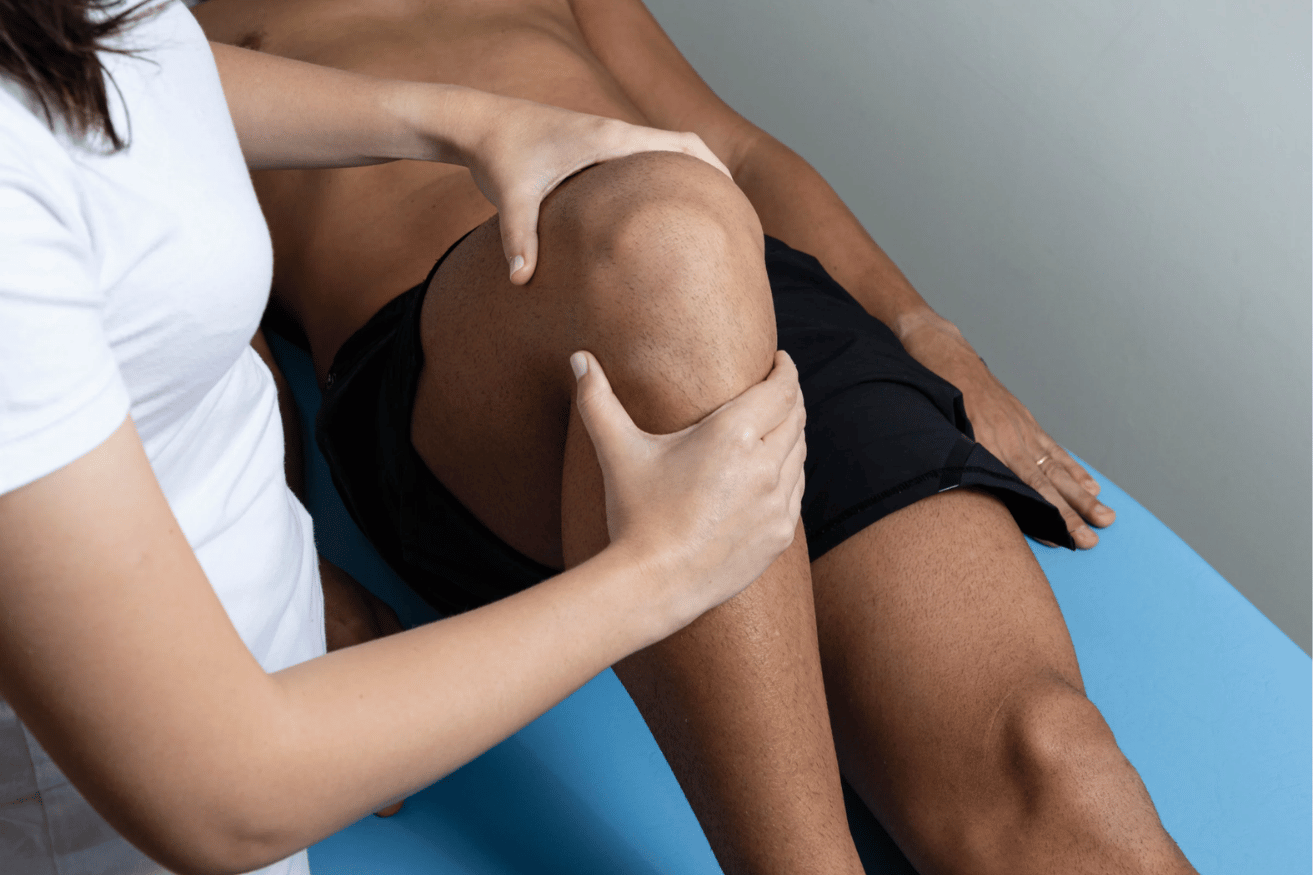
You don't have to run marathons, play competitive sports, or even own a pair of running shoes to benefit from sports medicine.
Maybe your knee has started complaining every time you take the stairs. Your shoulder hasn't quite forgiven you for that weekend yard project. Or you've discovered that a friendly game of pickleball isn't always so friendly to your joints.
Sound familiar?
Here's something you might not know: These are exactly the kinds of problems a sports medicine doctor can help with.
And now, Uptown Community Health Center offers sports medicine care in Denver, helping people of all ages recover from injuries, manage pain, and keep doing the things they love.
Wait, Isn't Sports Medicine Just for Athletes?
Not even close.
Sports medicine focuses on diagnosing, treating, and preventing injuries and conditions that affect how your body moves. That includes problems involving your muscles, bones, joints, tendons, and ligaments.
And while sports medicine doctors certainly care for athletes, they also help plenty of people whose most competitive activity is keeping up with their grandkids.
Think about it. Your body doesn't know whether you're running a marathon or running after a toddler. It just knows what you're asking it to do.
That's why we like to say life is a sport.
Whether your goal is getting back on the field, hiking your favorite Colorado trail, working in the garden, or simply getting through the day with less pain, sports medicine can help you work toward it.
What Can a Sports Medicine Doctor Help With?
More than you might think.
Sports medicine doctors treat a wide range of injuries and conditions, including some you might not immediately associate with sports.
Here are a few common reasons people seek sports medicine care:
Knee pain: That nagging ache when you climb stairs, take a walk, or get up from a chair.
Shoulder pain: Trouble reaching overhead, lifting things, or getting comfortable at night.
Arthritis: Joint pain and stiffness that make everyday activities more difficult.
Sprains and strains: Injuries from exercise, lifting, yard work, or an unfortunate misstep.
Overuse injuries: Pain that develops gradually from activities like running, walking, cycling, or playing pickleball.
Sports injuries: Everything from recreational sports mishaps to injuries affecting student and competitive athletes.
Sometimes you know exactly what happened. Other times, something just starts hurting, and you're not quite sure why.
Either way, a sports medicine physician can help figure out what's going on and what to do about it.
Can Sports Medicine Help With Arthritis and Everyday Joint Pain?
Absolutely. And this is one of the biggest misconceptions about sports medicine.
You don't need a recent injury to benefit from seeing a sports medicine doctor.
If arthritis is making your knees stiff, your shoulder has been bothering you for months, or hip pain is making your daily walk less enjoyable, sports medicine may be able to help.
Treatment focuses on understanding what's causing your symptoms and finding ways to reduce pain, improve movement, and help you stay active.
What About Treatment? Will I Need Surgery?
Here's some good news: Many injuries and joint problems can be treated without surgery.
Sports medicine physicians often use non-surgical treatments to help patients recover, manage pain, and improve mobility.
Depending on your condition, your treatment plan might include physical therapy, strengthening and flexibility exercises, changes to certain activities, medications, or injections when appropriate.
And because everyone's goals are different, treatment shouldn't be one-size-fits-all.
For example, someone hoping to return to competitive soccer may need a different approach than someone who wants to walk comfortably through the grocery store.
When Should You See a Sports Medicine Doctor?
You don't have to wait until you're sidelined by an injury or struggling with severe pain.
It may be time to make an appointment if:
Pain is keeping you from activities you enjoy.
Your knee, shoulder, hip, or another joint hurts regularly.
You've had an injury and aren't sure how to recover safely.
Arthritis or stiffness is making everyday movement harder.
You've tried resting, but the same pain keeps coming back.
You want help getting back to exercise or physical activity after an injury.
Occasional soreness after an unusually active day can be normal. But pain that persists, keeps returning, or interferes with daily life deserves attention.
And if you've been telling yourself, "It's probably just part of getting older," it's worth knowing that there may be ways to improve how you feel and move.
Meet Dr. Michael DaRosa: Sports Medicine Expertise for Everyone
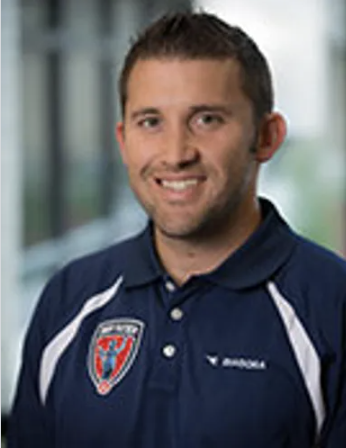
Dr. Michael DaRosa leads sports medicine care at Uptown Community Health Center, helping patients address injuries, manage joint pain, and stay active at every stage of life.
His background includes serving as a team physician for professional rugby and working with Denver Public Schools athletics. A former collegiate soccer captain himself, he understands the importance of staying active—and how frustrating it can be when pain or an injury gets in the way.
At Uptown, Dr. DaRosa takes a personalized approach to care, focusing on understanding what's causing your symptoms and finding treatment options that fit your needs and goals. Whether that means returning to a favorite activity or simply moving through your day more comfortably, the focus is on helping you feel better and keep doing what matters to you.
Sports Medicine Is Now Available at Uptown Community Health Center in Denver
Here's the bottom line: You don't have to be an athlete to see a sports medicine doctor. And you don't have to accept ongoing pain or limited movement without exploring your options.
Whether you're dealing with a sports injury, arthritis, knee pain, shoulder pain, or another issue that's slowing you down, we're here to help.
Because whatever your version of staying active looks like, we want to help you keep doing it.